Rikelig med parkering

1. Introduction to Smart Homes and Buildings
Definition and Overview: Define what constitutes a smart home or building and provide a brief overview of the integration of technology and design.
Historical Evolution: Discuss the development of smart technology and its adoption in residential and commercial buildings over time.
2. Core Technologies in Smart Homes and Buildings
Internet of Things (IoT): Explain the role of IoT in creating interconnected devices and systems within smart environments.
Automation Systems: Detail various automation systems such as lighting, heating, cooling, and security.
Smart Appliances: Explore the range of smart appliances available, from refrigerators to washing machines, and their benefits.
Energy Management: Discuss smart energy management systems, including smart meters, thermostats, and renewable energy integration.
3. Design Principles for Smart Homes and Buildings
User-Centric Design: Emphasize the importance of designing with the end-user in mind, focusing on usability and user experience.
Aesthetic Integration: Explore how technology can be seamlessly integrated into the design without compromising aesthetics.
Space Optimization: Discuss how smart technologies can optimize space usage and enhance functionality.
Flexibility and Scalability: Examine how designs can accommodate future upgrades and changes in technology.
4. Benefits of Smart Technology
Convenience and Comfort: Highlight how smart technology enhances daily living through automation and remote control.
Energy Efficiency: Explore how smart systems contribute to energy savings and sustainability.
Security and Safety: Discuss advanced security features such as smart locks, cameras, and emergency response systems.
Health and Well-Being: Analyze how smart technologies can contribute to a healthier living environment, including air quality monitoring and ergonomic adjustments.
5. Case Studies and Examples
Residential Projects: Provide examples of smart homes with integrated technology and innovative design.
Commercial Buildings: Highlight smart office buildings, retail spaces, and other commercial environments with successful technology integration.
Public Buildings: Showcase smart public infrastructure such as smart libraries, museums, and transportation hubs.
6. Design and Technology Integration Challenges
Interoperability: Address the challenges of ensuring that different smart devices and systems work together seamlessly.
Privacy and Security: Discuss concerns related to data privacy and cybersecurity in smart environments.
Complexity and Usability: Explore the balance between sophisticated technology and user-friendly design.
Cost and Accessibility: Consider the cost implications of smart technology and its accessibility for different types of projects.
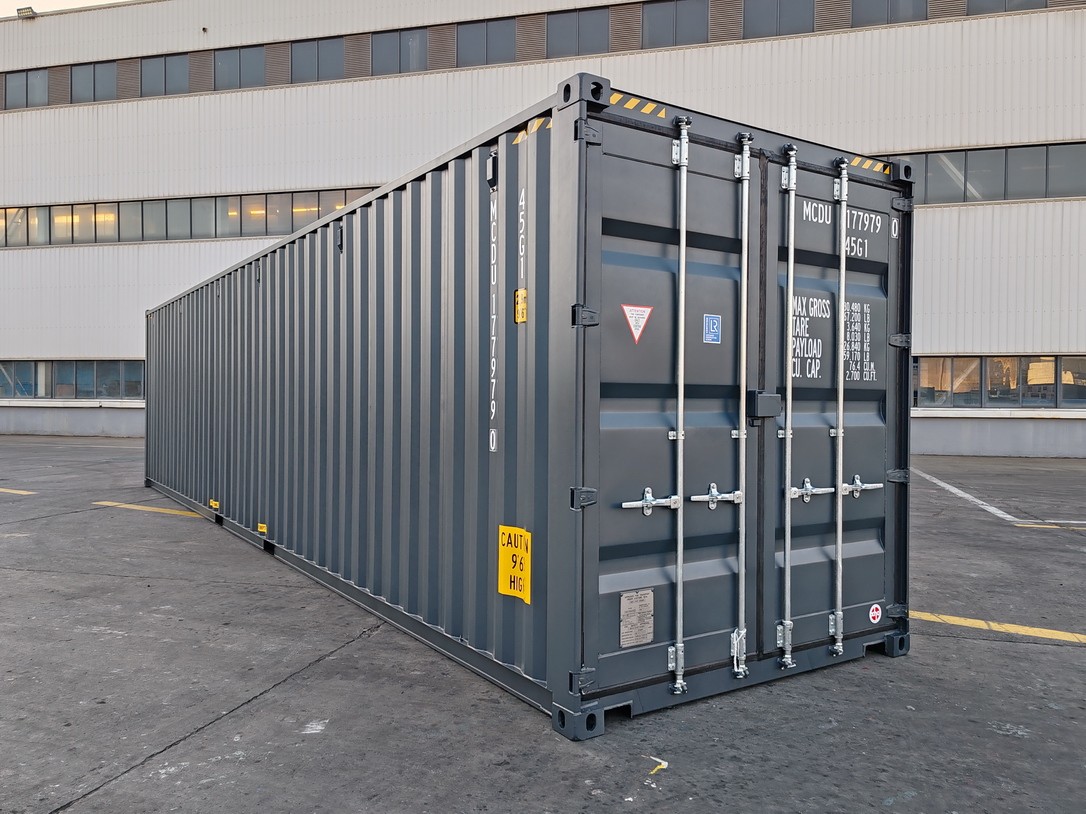
Container til leie fra kr. 2 500 + mva.
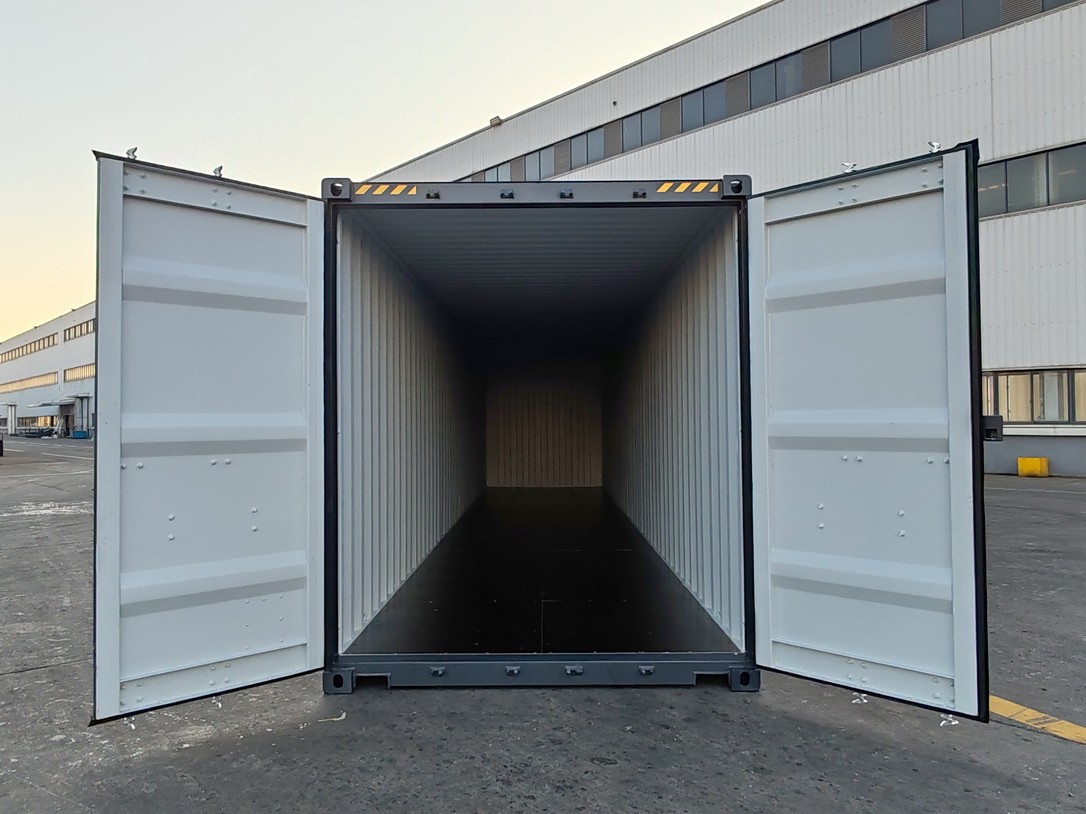
Container til leie fra kr. 2 500 + mva.
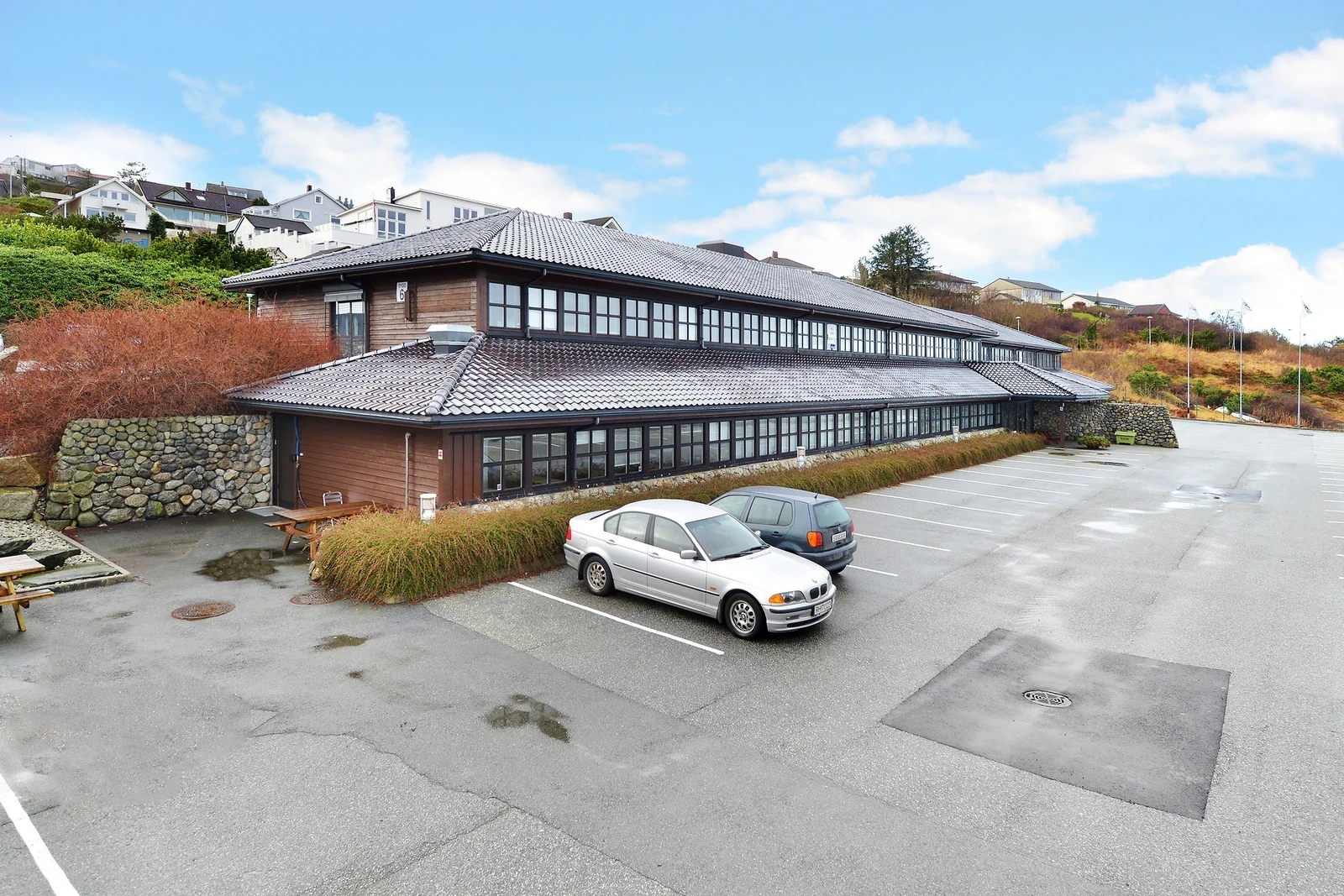
Et av flere bygg (Bygg 6)
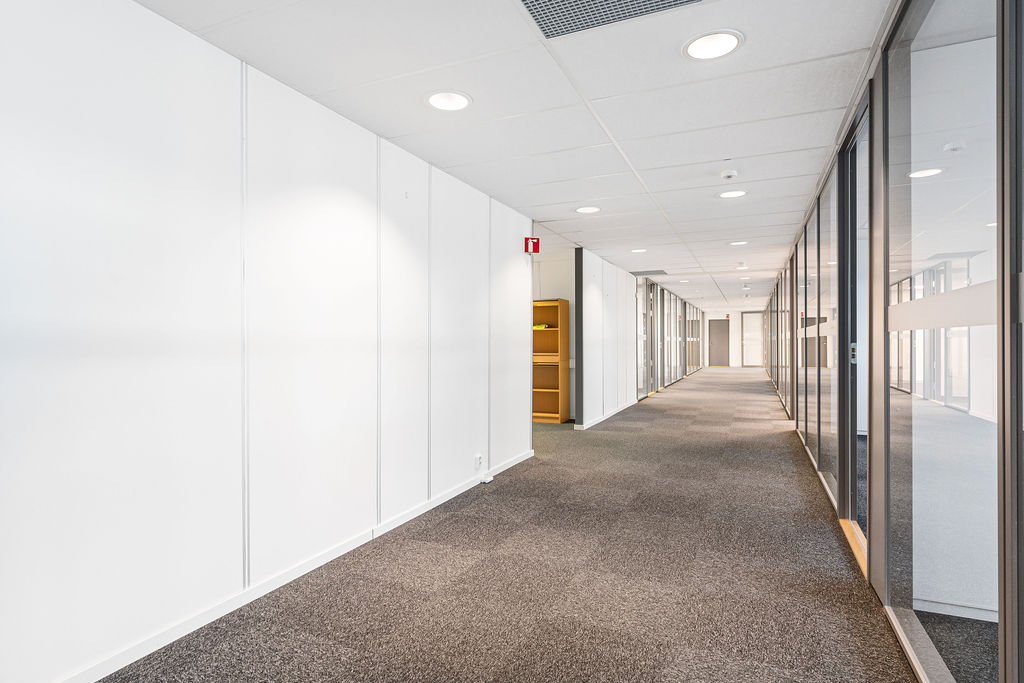
Kontor
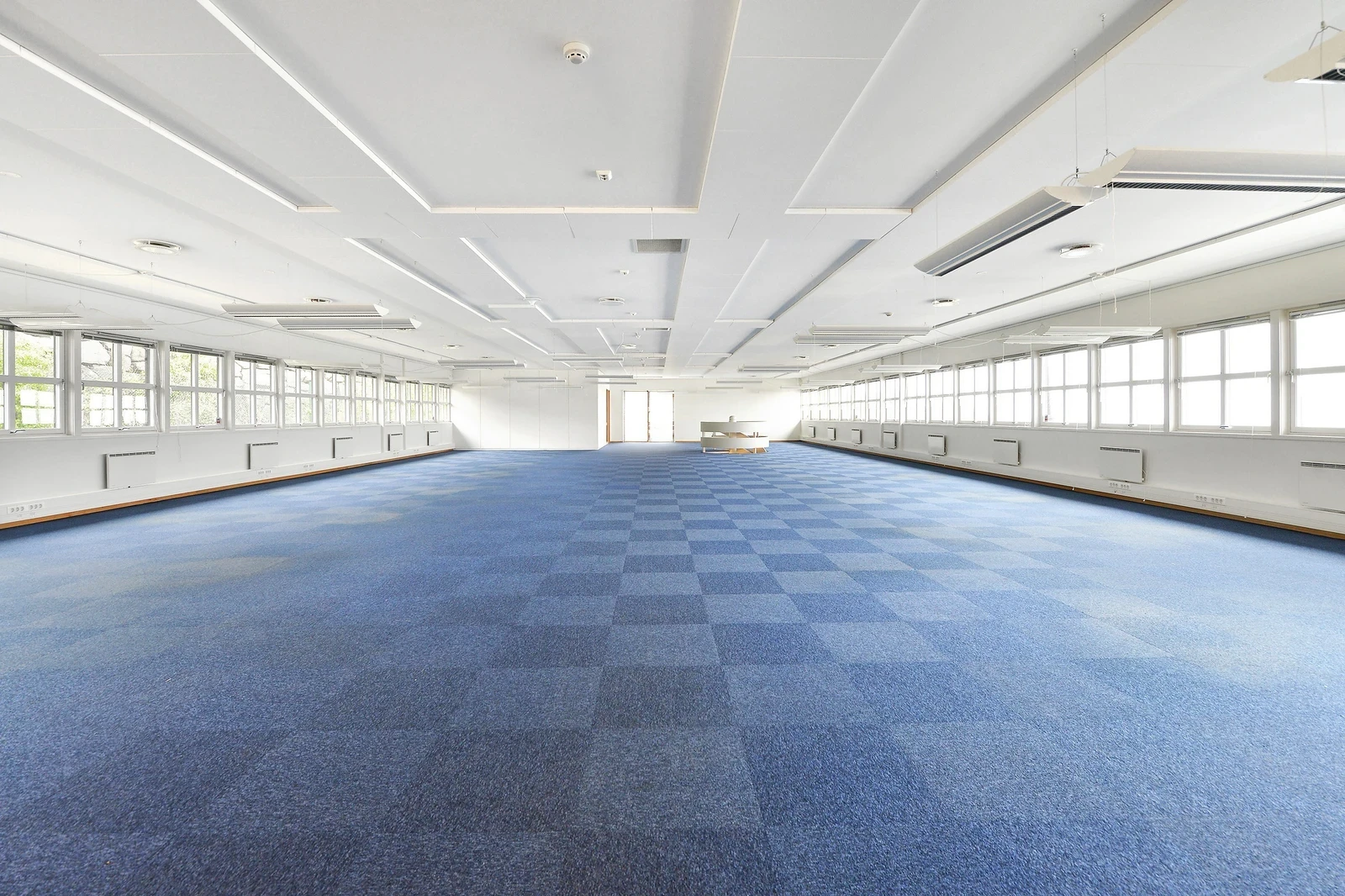
Fleksibelt lager fra 15 m² (Pen lager)
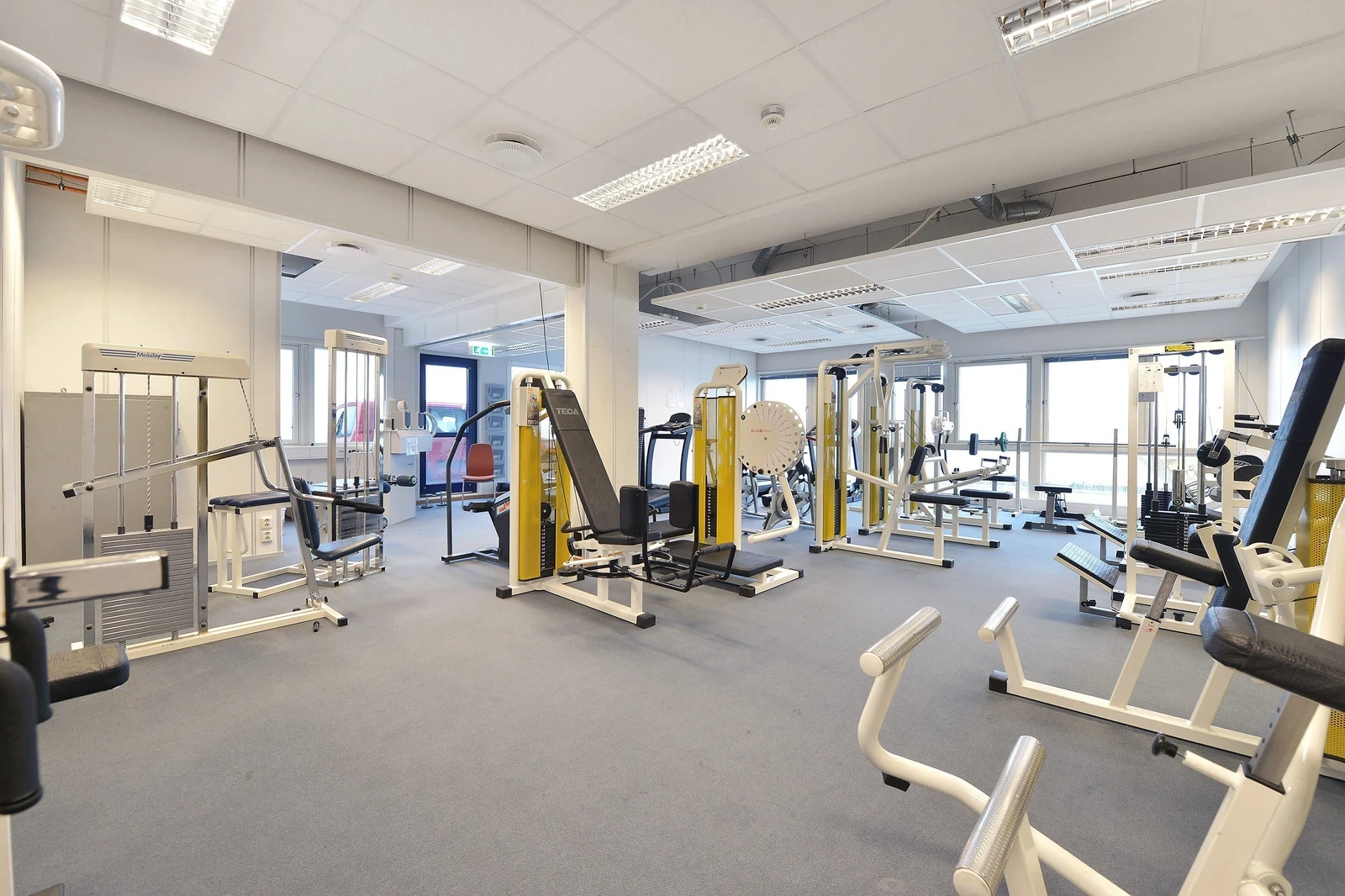
Felles treningsrom
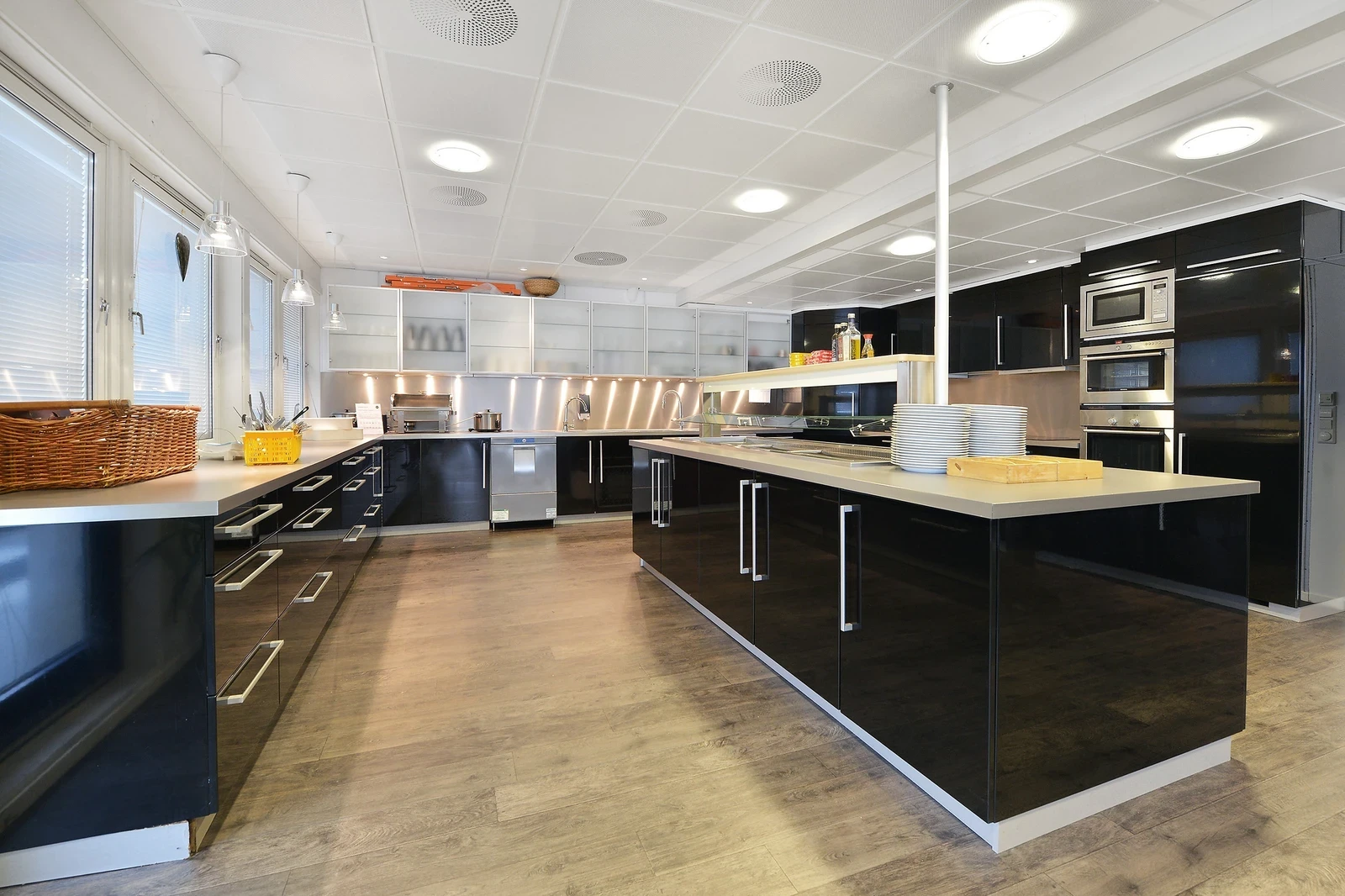
Felles kantine
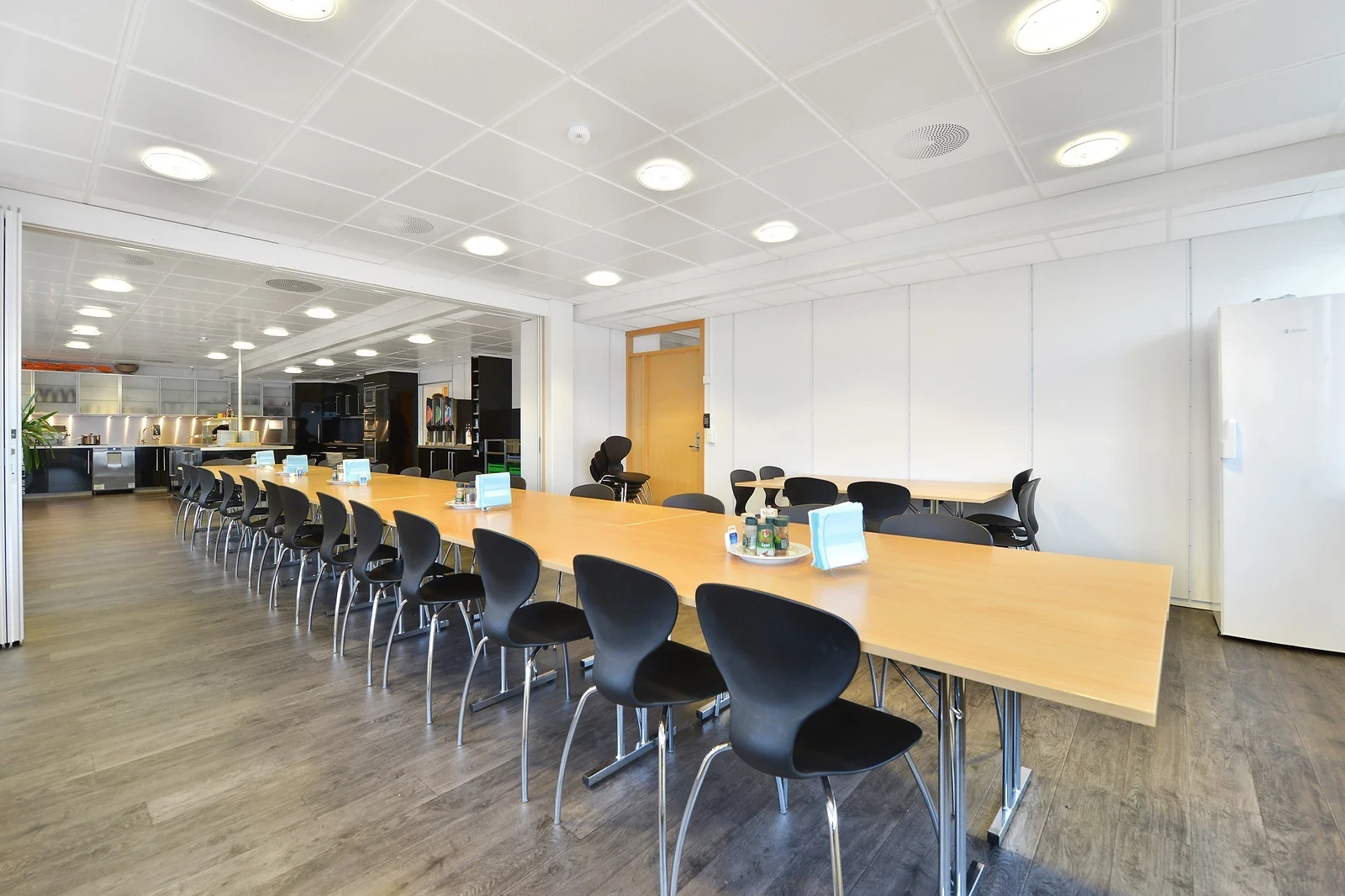
Felles kantine